Many people have a big issue with allergies, especially during spring and summer. All day long, they sneeze, cough, and their eyes are itchy. Some individuals seek natural remedies to alleviate such symptoms. Local honey is a simple and sweet way to get rid of it. Some people think if you eat local honey every day then you can build up a resistance to pollen. In this article, we are going to discuss how you can use local honey to relieve allergies. It feels natural and can help you feel better.
Why Local Honey Helps with Allergies
Local honey is a natural seasonal control of allergies. It contains small quantities of plant pollen. Your body will start adapting to it when you take it on a regular basis. Along with honey, there are other natural remedies for allergy relief worth exploring. This may contribute to the reduction of allergic reactions in the long run. Perhaps most of the population tries this easy treatment as an alternative to medication alone. It has no cure against the allergy. This is why the majority of people learn about local honey as a natural method of treating allergies.
What Makes Local Honey Special?
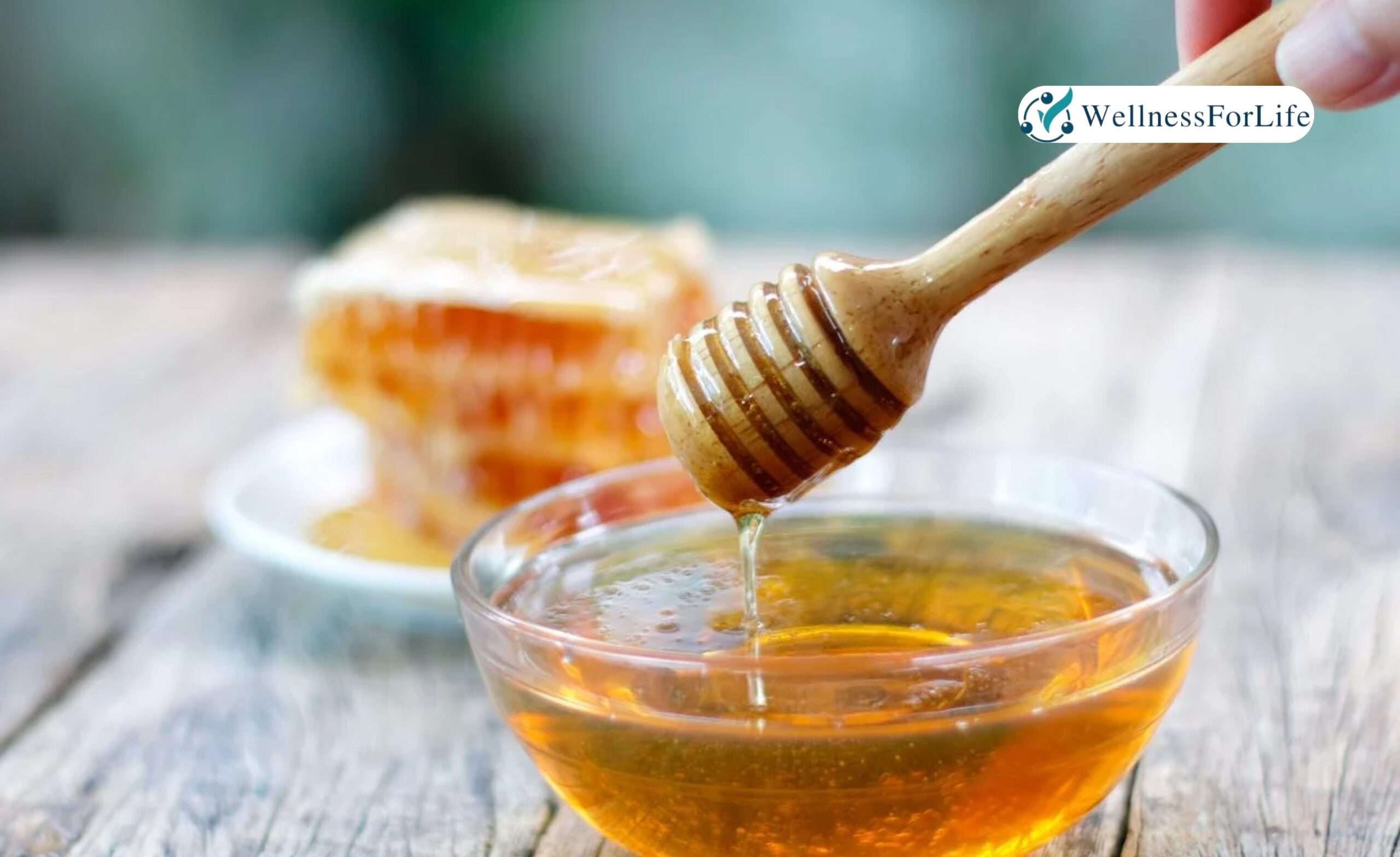
You should know that local honey is honey produced by bees that gather nectar from flowers. That means it includes small particles of pollution from local pollen. When you consume it, your body may become used to the allergens. It is like a natural allergy shot. Eventually, this lessens your allergic reaction. Homemade honey is the only honey that gives this effect. That’s why it is important to use honey produced. It is directly linked to the plants around you. So, always read the label and purchase honey from local beekeepers.
Raw Honey vs Processed Honey
Raw honey is fresh and contains many natural elements. It is a real food product, but processed honey will have most of the above good things removed through heating and filtering. That is why raw honey is the preferred honey for allergy treatment. Always be sure to choose cloudy or thick honey. That means it’s not processed. It is sold in local farmers markets or by beekeepers. Avoid the honey that is sold in plastic bottles with a long shelf life. It may taste good, but it doesn’t do anything for allergies.
How to Use Local Honey Daily
- Daily Routine: Incorporate local honey easily into your daily life without changing your lifestyle.
- Consumption Methods: Add honey to your morning tea or spread it on toast.
- Choose the Right Honey: Use raw, local honey for the best effects.
- Timing: Take honey daily, especially before and during allergy season.
- Dosage: Start with a low amount and gradually increase it.
- Immune Support: Regular use may help strengthen your immune system.
Add Honey to Everyday Foods
You don’t need to consume honey raw. It goes well with many foods. Spread it on your toast, add it to oatmeal, and use it as a yogurt mix. You can also mix it into smoothies. Make sure the food is not too hot. Heat destroys the beneficial elements of honey. Honey is a quick addition to food, which makes it easy to take daily. It becomes a part of your routine. This way, your body develops allergy resistance effortlessly.
When to Take It During the Day
You must know that the best time to eat honey is morning. You can also take it before you go outside. It helps your body prepare for pollen. Some people take it again in the evening. It helps soothe the throat and reduces irritation. Just don’t consume it in large amounts. A dose of one or two teaspoons a day is sufficient. An important note is to always listen to your body and be patient for maximum results.
Health Benefits & Uses of Local Honey
- Soothes Sore Throat: Honey coats the throat and can reduce irritation and coughing.
- Boosts Immunity: Regular intake may strengthen the immune system.
- Wound Healing: Applied topically, honey can help heal minor cuts, burns, and abrasions due to its antibacterial properties.
- Digestive Health: Honey can help with indigestion and promote gut health.
- Energy Boost: Natural sugars in honey provide a quick energy boost before workouts or during fatigue.
- Skin Care: Honey can be used in face masks for moisturizing and reducing acne. Vitamin E is also a good product for the face & skin
- Sleep Aid: A spoonful of honey before bed may improve sleep disorders and insomnia quality by promoting melatonin release.
- Allergy Relief: Consuming local honey may help the body adapt to local pollen, reducing seasonal allergy symptoms.
- Cough Suppressant: Honey can naturally calm a dry cough, especially in children over one year old.
- Anti-Inflammatory Effects: Honey contains antioxidants that may reduce inflammation in the body.
- Bloating: Honey is also a soothing choice for bloating and digestion issues
Supplements for Allergy and Immune Support
You can also explore supplements for allergy and immune support. These supplements improve the immune system.
- Quercetin: A natural antioxidant that may reduce inflammation and histamine response.
- Vitamin C: Helps strengthen the immune system and acts as a natural antihistamine.
- Thorne Supplements: High-quality vitamins and nutrients designed to support overall wellness, immunity, and performance.
- TMG (Trimethylglycine): Often used to support liver function, heart health, and methylation for better cellular energy.
- Multivitamins Supplements: A daily supplement that combines essential vitamins and minerals to support overall health, boost immunity, and fill nutritional gaps in the diet.
How to Choose the Right Local Honey for Allergy Relief
Local honey is also a key factor in relieving allergies. Numerous local markets sell pure honey produced by the local beekeepers. Always look at such labels as local or unprocessed. Avoid honey combined with added sugar or syrup. Good quality local honey is normally dense and a little hazy, revealing that it still has natural pollen and nutrients. The selection of the appropriate kind provides your body with an enhanced opportunity to react to allergy symptoms as a natural response.
Check the Source and Label
Always read the source of your honey. Read the label and make sure it has “raw” and “local” on it. For example there are plenty of local farms that sell real honey. Don’t go for the brands that don’t specify the source. Technically, if it says “EU blend” or “imported”, it’s not really local. You want honey that is from your area. If you are in any doubt, ask the seller. Local beekeepers will happily let you know where their bees are foraging for nectar.
Buy from Local Markets or Farms
Usually, filtered and mixed honey is sold in supermarkets. In reality, ask a farmers’ market or a beekeeper. Has a large number of small honey producers. You may even find them online. And buying locally also supports your community. You can be sure that the product is fresh and contains natural pollen. It is effective and delicious for allergies. In many markets, signs are posted indicating where the honey is produced. Search for areas near your town or home.
Avoid Honey with Additives
Certain honey on a shelf has sugar or syrup. That’s not good for your body. It also has no benefit for allergies. You need pure, raw, natural honey. Read the ingredient list before you purchase. It should be only honey, nothing else. When it is too sweet or too thin, it can be counterfeit. Stick with trusted sources. When in doubt, ask questions. A good seller always has a process they can explain. Natural honey is viscous, aromatic, and opal.
What are the Tips and Warnings for Using Honey
- Use Sparingly: Start with a low dose and increase gradually while monitoring your body’s response.
- Avoid for Babies: Never give honey to children under one year old—it can be harmful.
- Consult a Doctor: If you have severe allergies or medical conditions, seek medical advice before use.
- Choose Quality: Always use local, raw, and fresh honey instead of processed varieties.
- Be Patient: Results take time; honey works best with regular, consistent use.
- Seasonal Use: Consume honey daily, especially before and during allergy season.
- Safe Addition: When taken correctly, honey can be a safe and natural support for allergy relief
Conclusion: How to Use Local Honey for Allergy Relief
To treat allergies in a natural, mild, and safe way, local honey is one of the alternatives that is under consideration by many individuals and elsewhere. Although it is not a treatment, local and raw honey can work to relieve symptoms by slowly exposing your body to local pollen.
The trick is persistence, a small amount of the dose every day, particularly during the allergy season and immediately before it. Raw honey should also be chosen, which is sourced locally and not processed commercial honey containing any additives. Honey is not generally dangerous, yet you must always visit a doctor with regard to severe allergies.
Frequently Asked Questions
1. Does local honey treat all forms of allergy?
No, local honey does not treat all forms of allergies. It can help in reducing the symptoms when you expose your body to a little pollen. This contact with natural allergens may desensitize your immune system, which may trigger fewer allergy symptoms in you with the season. It is a local remedy and not a full treatment.
2. When should I have honey before allergy season?
The best time to begin eating local honey is at least 4 to 6 weeks before allergy season. This will allow your body to adapt to the pollen. Resistance develops slowly, hence persistence is important.