Are you worried about chest fat and thinking, “Do I have gynecomastia or is it just body fat?” You’re not alone. Many people ask the same question when they see puffiness or swelling in their chest. As the saying goes, “Understanding the cause is the first step to solving it.”
Is it a gland or just soft tissue? Is it normal, or does it need to be treated? Don’t stress, let’s break it down in simple terms. We’ll explore the signs and symptoms, causes, and ways to make a difference. Ready to clear the confusion? Let’s find out the real answer!
What Is Gynecomastia?
Gynecomastia is the medical term for when men develop extra breast tissue. No, it’s not just chest fat from being overweight. It feels tougher, sometimes rubbery, and a bit tender to touch.
This condition is common. As many as 60% of teenage boys undergo it during puberty. It also affects approximately 55 to 60% of men over 50.
Some people call it man boobs or male breasts, but this is not simply a fat issue. It occurs when there’s a hormonal change, more estrogen and less testosterone. As a result, even if a person is slim or fit, their breast tissue grows.
You may ask yourself, do guys have boobs? Yes, all males have some breast tissue. But in gynecomastia, that tissue grows and becomes more prominent.
It’s common in three age groups:
- Teen boys, due to hormone changes during puberty
- Adult men, especially with certain medications or health issues
- Older men, often due to a natural hormone drop with age
The condition can affect one or both sides of the chest. Sometimes it’s uneven. And it doesn’t always go away on its own. That’s why knowing the signs and causes matters.
What Causes Gynecomastia?

Gynecomastia often starts with a hormone imbalance. Estrogen makes breast tissue grow. Testosterone keeps that in check. When the balance tips, even slightly, breast tissue can grow in men.
Common causes include:
Hormone changes:
Teen boys often get it during puberty. Hormonal changes happen fast at that age. It usually goes away in a year or two.
Older men get it, too. After 50, the testosterone level drops down. That can let estrogen have more effect.
Medications:
Some medicines can cause gynecomastia. These include:
- Anti-anxiety pills
- Heart and ulcer medicines
- Chemotherapy drugs
- Some antibiotics
- Prostate treatments
Steroids or hormone therapy for bodybuilding can also cause it. These boost muscle, but they mess with your natural hormone levels.
Drugs and alcohol
Heavy drinking, consuming marijuana, or using heroin can lead to gynecomastia. These substances affect how your body produces and uses hormones.
According to a report in The Journal of Clinical Endocrinology & Metabolism, men who use anabolic steroids have a higher risk of developing gynecomastia. Alcohol does the same by damaging the liver and altering hormones.
Health problems
Some diseases also affect hormone levels:
- Liver disease slows how your body breaks down estrogen.
- Kidney failure affects hormonal control.
- Tumors in the testicles or adrenal glands can produce hormones.
- Thyroid problems like hyperthyroidism raise estrogen levels.
Men with these issues are more likely to develop breast tissue.
How Do You Tell If You Have Gyno or Fat?

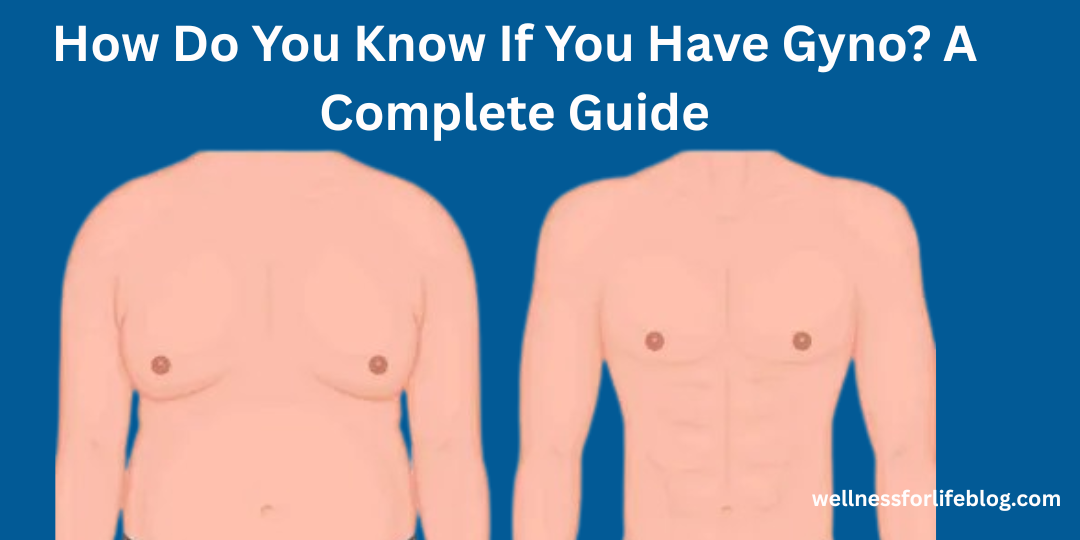
To know if you have gyno or fat, you should check how your chest feels. Gyno usually feels firm or rubbery under the nipple, while fat feels soft and spreads around. One can also look at the shape, and the gyno gives a round look near the nipple.
They may feel soreness. To understand better, gently press the area to feel for any lump. You will also notice that it stays the same even with weight loss. Do compare both sides. This way, you can diagnose the real cause and make prevention.
Real-World Signs
Firm lump under the nipple? That’s probably gynecomastia.
No pain or tenderness when you touch your chest? It’s fat.
Shape matters as well: a lump under the nipple generally means gyno, while a uniform fullness throughout the chest indicates fat.
Key Points to Remember:
- Gyno: A firm to-the-touch lump, often tender, located around the nipple.
- Fat: Soft, pliable, and responsive to exercise and weight loss.
Being familiar with these differences can give you a better idea of how your body works and whether you may need to seek medical attention. Seeing a persistent lump or tenderness? It’s time to act.
Signs of Gynecomastia in Men
Gynecomastia is not always easy to see, but there are important signs that can help you recognize the condition.
- Swelling under the nipple: This is usually the first visible sign. You might notice a hard lump under your skin.
- Breast tenderness: Soreness or sensitivity, particularly when touched, of one or both breasts, is the most common symptom.
- One side or both: Gynecomastia can occur in one breast or both, but it’s usually asymmetrical.
- Nipple discharge (rare): Less common; some men may develop fluid leaking from the nipple.
- Skin changes: In advanced cases, the skin over the breast may stretch or take on a shiny appearance.
If you have breast tenderness, you should determine if this is gynecomastia versus a pulled muscle. But when the pain doesn’t subside or gets worse, you should reconsider getting professional advice.
When to Visit a Doctor
It’s a common thing to worry about when you notice changes in your chest. But if you experience any of these symptoms, it’s wise to talk with a healthcare provider:
- Ongoing soreness: If you’re experiencing recurring discomfort or pain, particularly in the breast tissue.
- Rapid increase in size: A sudden or fast increase in one or both breasts.
- Nipple discharge: Any fluid that leaks from the nipple should be examined by a doctor.
- Uneven breast growth: Gynecomastia may be indicated by uneven breast growth.
- Emotional distress or anxiety: If the condition is reducing your self-esteem or making you anxious, it’s something worth describing to a doctor.
How to Talk to Your Doctor
- Be honest and direct: There’s no need to feel shy; they want to help you.
- Inquire about treatment options: Ask what treatments may be offered for gynecomastia.
- Discuss the emotional toll: If the condition is affecting your mental health, find out what support or counseling is available.
Conclusion
Now you understand how to tell if it’s gyno or just fat. You should check your chest gently, feel for any firm lump, and see if the shape looks different. If the area feels soft and changes with weight loss, it’s likely fat. But if it stays firm or sore, you may need to talk to a doctor.
Don’t stress; many people go through this. The good news is you can take action. Stay calm, listen to your body, and do what’s best for your health and peace of mind.
Frequently Asked Questions
What are the early signs of gyno?
You may notice a small lump under your nipple that feels firm or rubbery. It might be sore or tender when touched. Sometimes, one side swells more. It’s a sign you could have gynecomastia.
How do you check if I have a gyno?
Gently press around your nipple. If you feel a firm lump or round swelling, it might be gyno. Fat feels soft, but gyno feels harder. You should also notice that it stays the same even after losing weight.
What does gyno fat feel like?
Gyno doesn’t feel like regular fat. It’s firmer, like a rubbery lump under your nipple. Fat feels soft and spread out. But gyno feels more like a small ball that stays in one spot and may be tender.
How do you distinguish between obesity and gynecomastia?
Fat from obesity feels soft and covers more of the chest. It all comes down to exercise and weight loss. Gynecomastia feels firm, mainly near the nipple, and doesn’t go away easily. Checking both feel and shape helps you know.