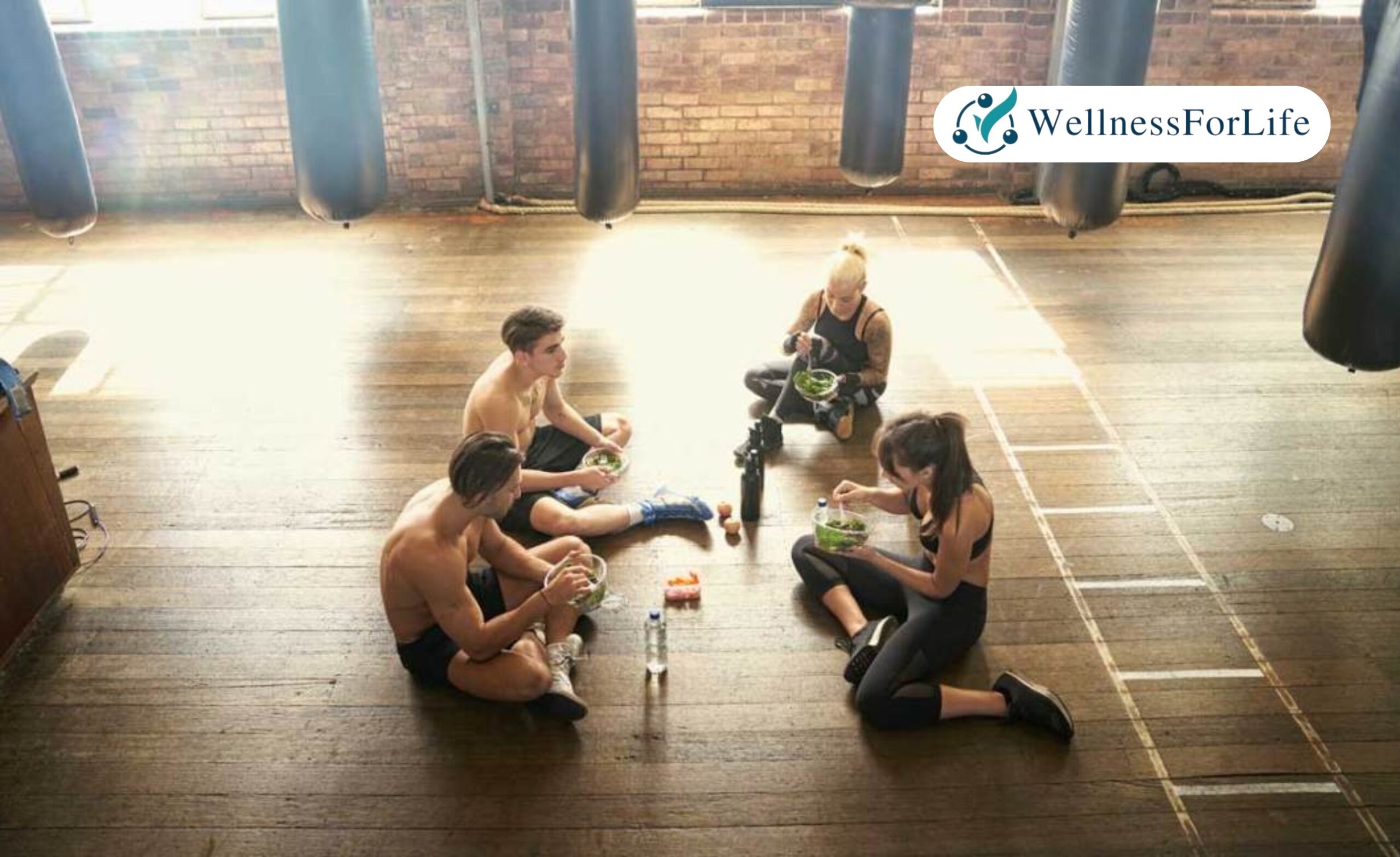
Have you ever thought about how you can workout after eating a meal? You can feel discomfort when you do exercise just after having a meal. To avoid uneasiness, you have to wait 1 to 2 hours after eating food. The ideal wait time after eating depends upon the quantity of food and exercise. This blog explains the connection between digestion and physical activity, foods to eat before and after a workout, and the ideal wait time for a workout.
Should you eat before or after a workout
It is important to know when to exercise after eating. The body needs time to digest your food. The waiting time depends on meal size. Small snacks need less time to digest. Big meals take more time. You also think about the type of exercise. Light movements like walking and stretching can start soon.
Hard moves like running and lifting need more time. Notice the signals of the body. Wait for the food to be easily digested. Avoid the workout, if you have any disturbances in your stomach.
How Digestion Affects Your Workout
The longer the meal will take greater the time to digest. Moderate meals take less time to digest. Heavy food and fried food take more time. Eating small and light meals before a workout makes you feel active. It also makes you feel good and calm.
Which Potential Side Effects of Eating after a Workout?
When you eat a meal, blood flows directly to the digestive system. When you perform a workout immediately after a meal, this redirects it toward your muscles. This causes the following issues
- Bloating
Bloating happens when the stomach is filled with food or gas. You can feel pressure. You can feel fullness. You can feel heaviness. Bloating makes it hard to move. Waiting after food helps lower bloating. - Nausea
Nausea occurs when the stomach is still full and you start to move. A light moves like a small stretch are safe. Fast movements like running or jumping make nausea worse. - Cramping
It happens when your digestive system is ignored during a workout. Exercise causes the blood to flow to the muscles and less toward the digestive system. Exercise puts more pressure on the stomach, which results in cramps. - Reflux
It happens when food goes back up into your mouth. It causes your chest to feel hot and burning. It affects you more if you lie down after eating. - Vomiting
Eating close to exercise can raise the chance of vomiting. Your stomach is still working on food. Fast moves can cause vomiting. You must wait one hour after a small meal. - Diarrhea
Starting exercise too soon after food can cause loose stool sometimes. Blood goes to your muscles and not your stomach. This slows food breakdown and can upset your stomach. - Sluggishness
After eating heavy food and then moving to exercise, you feel low. As your body is busy in digesting food during a workout. This makes you slow and tired.
Factors That Affect Meal Timing Before Exercise
- The size of your food changes your wait time. Small snacks go fast in the stomach. Big meals take two or three hours.
- The food you eat also matters. Fat food and fiber food go slow. Carb food and protein food go faster.
- The kind of workout also changes the wait time. Hard work, like running and hard moves, needs more waiting.
- Your body is not the same as others. Some people go fast in the stomach. Some people go slowly. You need to listen to your body.
- The time of day also changes this. In the morning, you may need a small breakfast. In the evening, you may need more time for food to go.
- Some health problems also change this. People with diabetes or stomach issues need more care with wait time.
- Drinking too much water during meals can make food heavy to digest.
Common Mistakes during a workout
- People eat a big meal and start exercising quickly. This can cause a burden on your stomach
- Some people like to exercise on an empty stomach. It can make you weak
- Not drinking enough water before and after exercise that cause dehydration. This makes the body dry. This makes you feel more tired.
- Eating heavy food before hard exercise. Eating fatty food before hard exercise. This makes the stomach upset. It also slows down the metabolism.
- Not listening to body signs. Signs like cramps and bloating alert you to avoid big issues. This also makes exercise hard.
- Eating too little food after exercise. This slows body recovery. This lowers body energy. This keeps the body weak.
Conclusion
You have to create a gap between eating a meal and doing an exercise for better metabolic fitness & health. Digestion depends upon the type as well as size of a meal. Light meal digests easily and give you enough energy before a workout. You should not have to wait for a long time. Heavy food can be digested in 30 minutes to 1 hour.
It is better to take a full meal after a workout, as it helps in body recovery and restores energy reserves. It can prevent you from any sort of discomfort. The right and best time to have a meal depends on your body’s comfort. Listen to your body and follow all the signals for a better life and support a healthy workout routine.
FA Qs
Can I eat 30 minutes before a workout?
You can eat a very small snack 30 minutes before easy exercise. Choose simple food like a banana or yogurt. Do not eat heavy food. Small snacks give energy. Small snacks do not cause pain. Small snacks help your body do better.
Can I eat an hour before a workout?
One hour is enough after a small or medium snack. Your stomach gets time to rest. You can do normal exercise in comfort. You will not feel too full. You will not feel slow. Listen to your body. Start when you feel ready.
How long should you wait after eating to work out?
You must wait two or three hours after a big meal. Big meals take longer to digest. Waiting stops bloating. Waiting stops cramps. Waiting stops feeling sick. Waiting stops feeling slow in your workout. Plan your meal. Plan your exercise. This gives the best result.
Does exercise intensity affect meal timing?
Yes, the intensity of the workout affects the meal timing, as the workout requires more blood flow to the muscles. For high intesity workout, you have to wait for 2 to 3 hours. A time of 30 to 60 minutes is required for low intensity workout after having a meal.
What are good pre-workout snacks?
Pre workout snacks include oatmeal, Greek yogurt, and fruits. You can take protein drinks and avoid high fiber meals. Prevent fatty foods from the meal. These pre-workout snacks contain carbohydrates for energy and protein for muscle.