Chronic obstructive pulmonary disorder (COPD) is a progressive lung disorder that damages the lungs in such a way that it is irreversible. COPD affects the normal breathing pattern. Lungs are compromised in this condition, leading to poor respiratory health. Healthy flow for COPD is a holistic approach that focuses on improving the airflow of the lungs. This approach strengthens lung function through lifestyle modifications.
Understanding COPD: What is Really Happening in Your Lungs
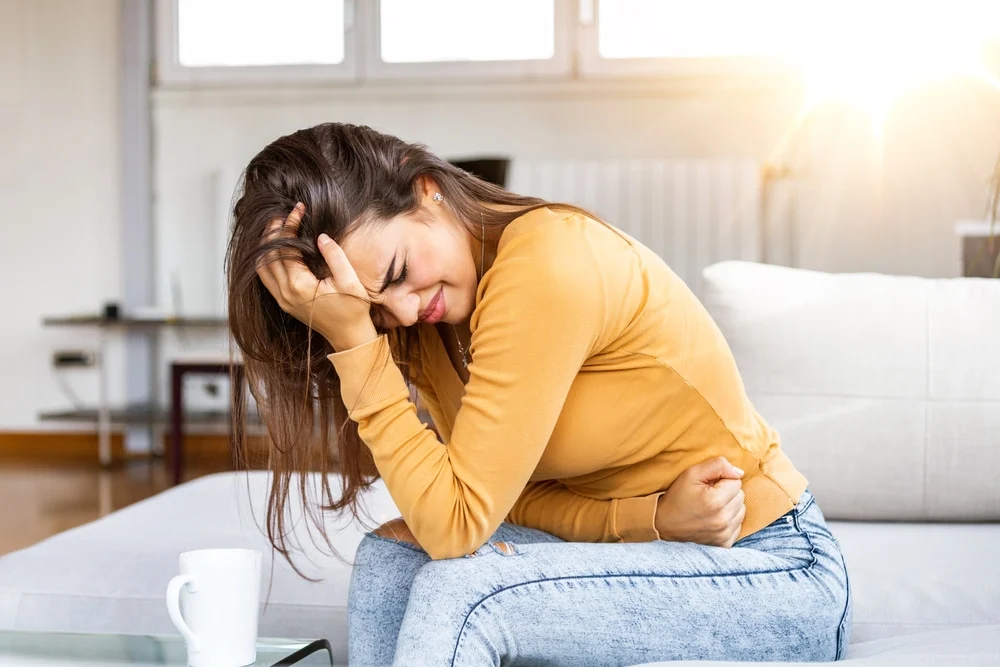
Chronic obstructive pulmonary disease is a pulmonary disorder that affects the airways. It is a wide term used for two diseases, chronic bronchitis and emphysema. Chronic bronchitis causes the airways to become inflamed and filled with mucus. On the other hand, emphysema causes the air sacs of the lungs to lose their elasticity and make them hard. Due to this, air is not exhaled completely out of the lungs. These conditions cause shortness of breath, making it difficult to breathe. It produces a cough and a wheezing sound while breathing.
One of the major reasons for COPD is smoking for a long time and enhanced exposure to pollutants. Irritants and infections worsen the symptoms of COPD. Moreover, a genetic condition known as alpha-1 antitrypsin deficiency can also trigger COPD.
Stages of COPD disease
GOLD criteria COPD is a standard criterion to classify COPD. Based on lung function, COPD is divided into four distinct stages. These stages help you differentiate between the different stages of cardio-pulmonary diseases. These are given as:
Stage 1 is mild. Slight shortness of breath and a mild cough are present.
Stage 2 is moderate, coughing becomes persistent in this stage.
Stage 3 is considered a severe level of the condition. Breathlessness increases. Difficulty in breathing occurs. When a person breathes, a wheezing sound is common with coughing.
Stage 4 is the most advanced stage, where symptoms are ongoing and can be life-threatening.
Asthma vs COPD: Why the Difference Matters
Many people confuse asthma and COPD, but these are different pulmonary conditions. Asthma usually begins in childhood and is caused by airway inflammation and increased airway sensitivity. The symptoms are not persistent, they come and go. Asthma can be treated with medications and is reversible. COPD, on the other hand, is an irreversible airway obstruction disease that develops later in life. Its symptoms worsen over the period of time, and it is not fully reversible. COPD causes damage to the lungs in the long run.
Living Better With Healthy Flow for COPD
Living a better life with COPD is not a single treatment to take. It involves making modifications in your life through enhancing your lifestyle habits and supportive care. Here are some tips you can incorporate into your lifestyle habits:
Gentle Fitness for Strengthening Lungs
Exercising is the last thing people with COPD consider doing. But the reality is, exercising in conditions like COPD makes the symptoms better. Gentle fitness exercises like brisk walking, cycling and slight stretching help to improve lung function. Many breathing exercises, like deep breathing, help to improve COPD.
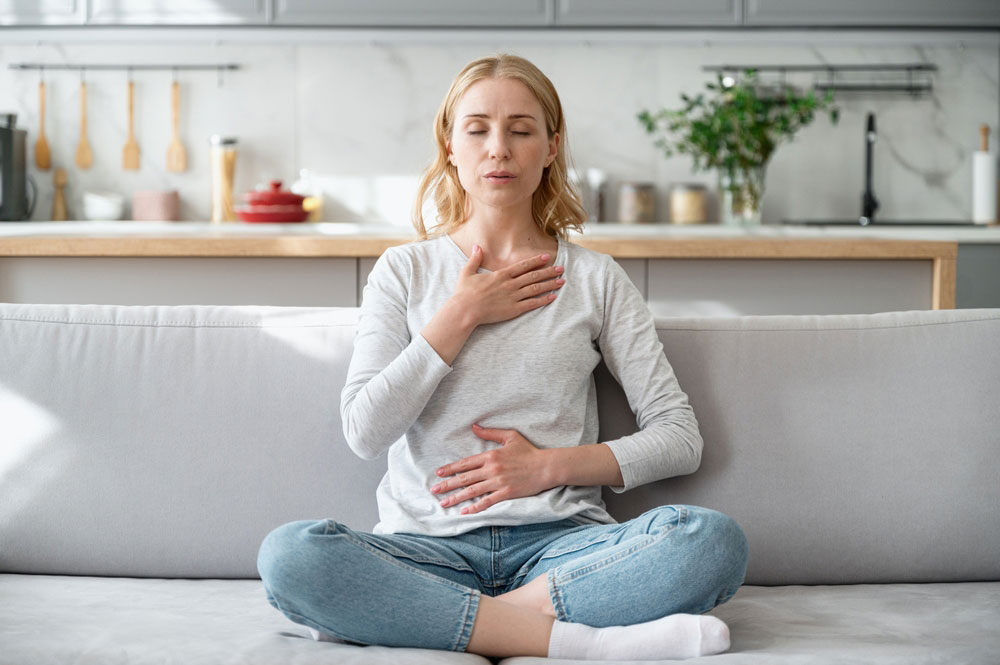
Deep breathing exercises open the airways and help the patient breathe deeply. It could not be possible as a beginner, but after some practice, it benefits the patient. Moreover, Pulmonary rehabilitation exercises like pursed lip breathing and diaphragmatic breathing help to improve lung compliance. These breathing exercises strengthen the lungs. Forming a proper routine to perform these exercises will help the patient recover and reduce the progression of the disease.
Nutrition and Supplements for Better Lung Health
A diet rich in antioxidants and lean proteins is good for the lungs. Healthy fats also support respiratory health. You can take some vitamins and supplements like vitamin D and omega-3 fatty acids in your diet. These vitamins and supplements help to reduce lung inflammation. Avoid taking heavy meals because they make breathing difficult. Having frequent small meals throughout the day is beneficial.
Manage Infection and Allergy
Infection and allergy can always worsen the symptoms of COPD. Have pneumonia and flu vaccines as an early prevention and keep yourself safe from allergens like pollen, dust and molds. Even a minor infection can disrupt your healthy flow for COPD. You can also use breathing devices, portable nebulizers for yourself, for instant use, if required. Moreover, placing air purifiers in your home will help you reduce dust particles from the air, worsening the symptoms.
Care for the Whole Body
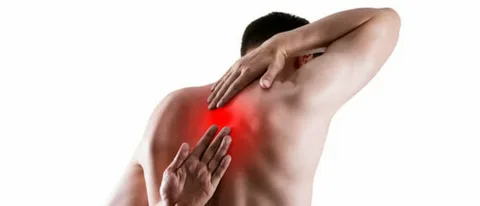
COPD affects more than just the lungs. Poor posture can worsen breathing and exacerbate back pain. It is a respiratory problem, but it affects the overall body. When you huff or cough, it causes strain on your thoracic and back muscles that leads to back pain. So, having all the emphasis on just COPD while treating it is not just enough. Take care of your body, too.
Considering Unique Needs
Women develop COPD at an earlier stage than men. They often have more worrisome symptoms of breathlessness and anxiety. Even menopause can worsen COPD symptoms due to hormonal changes that impact respiratory health.
So, a female patient with COPD requires more consideration, as it is important for maintaining women’s health and well-being. Moreover, COPD is a great risk in old age people also. The phenomenon of aging naturally reduces lung elasticity and muscle strength, which contributes to worsening the symptoms of COPD. Special care is required in both conditions.
Eliminating the Associated Triggers
Smoking is one of the major causes of COPD and a risk factor too. If a person suffers from COPD and smokes too, he must quit smoking as soon as possible. Because it will only worsen the lung condition and will contribute to disease progression. Other addictions like drugs, tobacco and substance overuse can interrupt the healthy flow of COPD.
Building a Sustainable Wellness and Lifestyle Routine
Building a Wellness & Lifestyle routine is important for the maintenance of a healthy lifestyle. Deep breathing exercises and morning stretches help you to stay active and breathe well. Mindful meditation and yoga help you calm down and, in turn, reduce the severity of COPD.
These techniques help in keeping the lungs open and relaxed. Making breathing easy for COPD patients.
Conclusion
Healthy flow for COPD, no matter what, is a progressive and irreversible condition, but it does not mean life ends here. A person with COPD can have a normal, happy life through embracing the techniques for healthy flow for COPD. Whatever stage of COPD you are in, maintain your routine of taking medications and doing your respiratory care to reduce the progression of the disorder. At Wellness For Life Blog, we believe in supporting your journey with proper understanding and management of the disease.
FAQs
What is Meant by a Healthy Flow for COPD?
A healthy flow for COPD means a holistic approach to improve the airflow into the lungs and reduce the COPD symptoms. It helps to enhance the lung functions in people suffering from COPD.
How COPD Progresses Through Its Stages?
Based on the GOLD criteria of COPD guidelines, there are four stages of COPD, depending on the severity of the disease.
How do COPD and asthma differ from each other?
Both are pulmonary diseases, but they differ. COPD is an irreversible disease that affects the airways by causing an infection within the airways. But asthma is a pulmonary condition in which the airway itself constricts.
What to Eat in COPD?
People with COPD symptoms should have an anti-inflammatory diet that will help their airways relax. The person should take leafy green vegetables and fish. They can also go for berries and wheat grains.
How do Allergies Affect COPD?
Infection and allergy can cause the airways of a person to swell, making it hard to breathe. Allergies worsen COPD symptoms.
Is COPD Reversible?
No, Chronic obstructive pulmonary disease is not reversible. Its symptoms can be reduced and the progression of the disease can be slowed down, but the disease itself is not reversible at all. Your medications and lifestyle habits can improve COPD symptoms.